

这样的写作重点能确保您的开头段符合雅思 Task 1 的标准,展现专业水准并奠定高分基础!
雅思写作高分模板:Task 1 & Task
一、Task 1:学术组(Academic)图表写作模板
1.1 开头段:改写题目并概述主要特征
写作重点
- 改写题目:使用同义词和句型变化,避免直接抄写题目内容。
- 概述特征:简要说明图表的 主要趋势 或 最明显的特点,不必写细节。
常用模板句型
改写题目
- “The given [graph/chart/table/diagram] illustrates/shows [重述题目信息].”
- “The [line graph/bar chart/pie chart] compares [数据或内容] over a period of time / among categories.”
- “The diagram provides information about [主题] in [时间/地点].”
概述主要特征
- “Overall, it is clear that [最明显的趋势或特征,例如:there was a significant increase/decline in…].”
- “The most noticeable trend is that [描述关键变化,例如:X showed a steady rise, while Y remained stable].”
- “It can be observed that [重点描述数据的主要特征或对比].”
范例与图表位置
1. 题目与折线图标范(Line Graph)
写作重点
- 改写题目
- 使用同义词和句型变换,避免抄袭原题目内容。
- 例如:shows → provides information about, trends → changes, over time → over a specific period.
- 识别主要趋势
- 在开头段中概述 整体趋势,例如:
- 哪些数据呈现上升?(steady increase)
- 哪些数据有轻微变化或下降?(moderate rise, slight decline)
- 不要描述具体数字或细节,将其留在主体段。
- 在开头段中概述 整体趋势,例如:
- 语言表达多样性
- 使用描述趋势的学术词汇,如:
- 上升:rise, increase, grow, climb, surge
- 下降:fall, decline, drop, decrease
- 稳定:remain steady, stay constant
- 波动:fluctuate, show volatility
- 结合副词或形容词强调趋势幅度,如:significantly, steadily, slightly, moderately。
- 使用描述趋势的学术词汇,如:
- 简洁与明确
- 开头段应 简短清晰,通常只写 2-3 句,无需详细描述。
- 开头段的目标是:
- 改写题目内容。
- 提供总体趋势或最显著的特征。
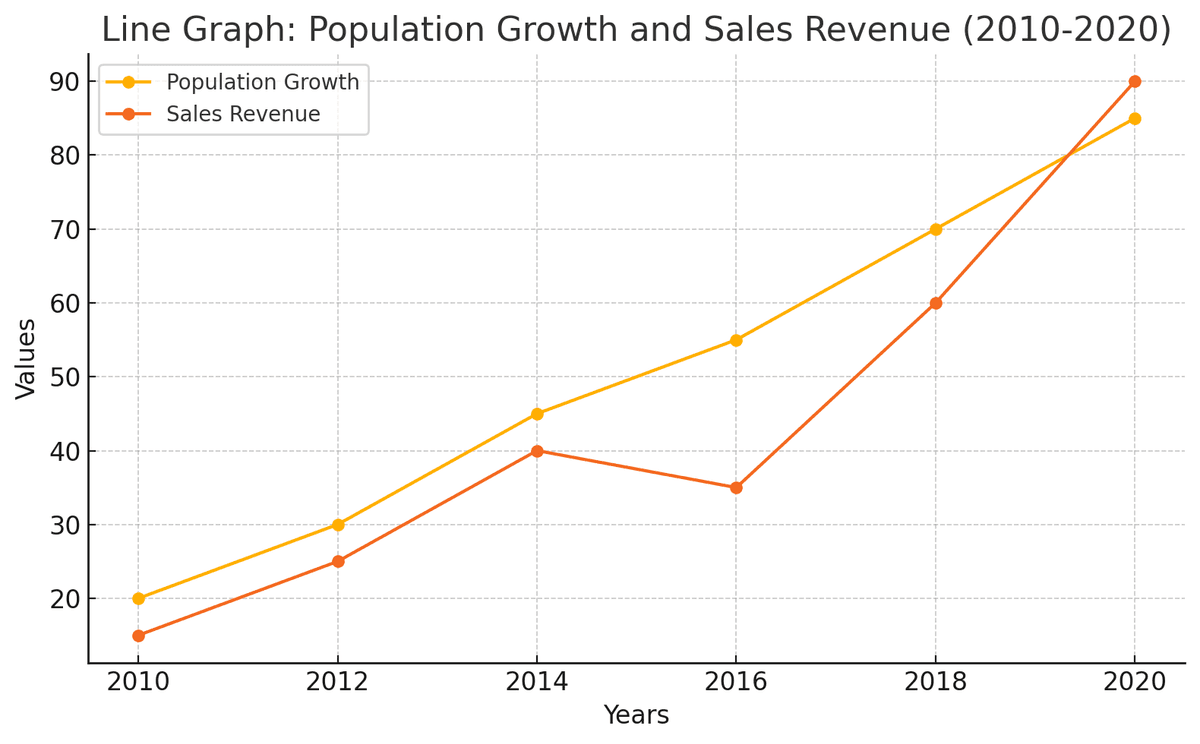
题目:The line graph shows data trends over time, such as population growth or sales performance.
改写题目
The line graph provides information about the trends in data, illustrating changes such as population growth or sales performance over a specific period.
概述主要特征
Overall, the graph shows that certain categories experienced a steady increase over time, while others displayed either a moderate rise or slight decline.
小结
在写折线图开头段时:
- 改写题目:避免抄袭,灵活使用同义词和重组句型。
- 总述趋势:简要说明图表的主要特征,强调最显著的上升、下降或稳定趋势。
- 语言多样化:结合学术词汇和副词,增强描述的精确性和专业性。
这样的开头段既符合雅思 Task 1 写作要求,又能迅速抓住考官的注意力!
2. 题目与柱状图标范(Bar Chart)
写作重点
- 改写题目范例:
- 目标:重述题目内容,避免直接抄写原句。
- 技巧:
- 使用同义词替换:
- Shows → Compares, Displays
- Data → Figures, Information
- Categories → Groups, Sectors, Types
- 重组句子结构:改变语序使句式多样化。
- 使用同义词替换:
- “The bar chart displays a comparison of figures across different sectors, such as national GDP and consumer spending habits, over a specific period.”
- 概述主要特征
- 在开头段 点出最显著的变化或差异,但不涉及细节数据。
- 强调两点:
- 哪些类别或时间段数据增长最多?(significant growth)
- 哪些类别或时间段变化较小或稳定?(remained stable)
关键句型:
- “Overall, the chart highlights that certain categories experienced significant increases, while others showed only slight changes or remained steady.”
- “It is evident that [category A] dominated the data, whereas [category B] showed the least variation.”
学术词汇与表达
- 描述比较的词汇:
- 增长:growth, rise, increase, upward trend
- 稳定:remain steady, stay constant, no significant change
- 下降:decline, drop, fall, decrease
- 比较:higher than, lower than, in contrast to, significantly more/less
- 副词/形容词强调差异幅度:
- 大幅变化:significantly, substantially, considerably
- 小幅变化:slightly, marginally, moderately
简洁明了
- 开头段应简单明确,通常不超过 2-3 句。
- 不需写具体数字和细节,细节数据留到主体段描述。
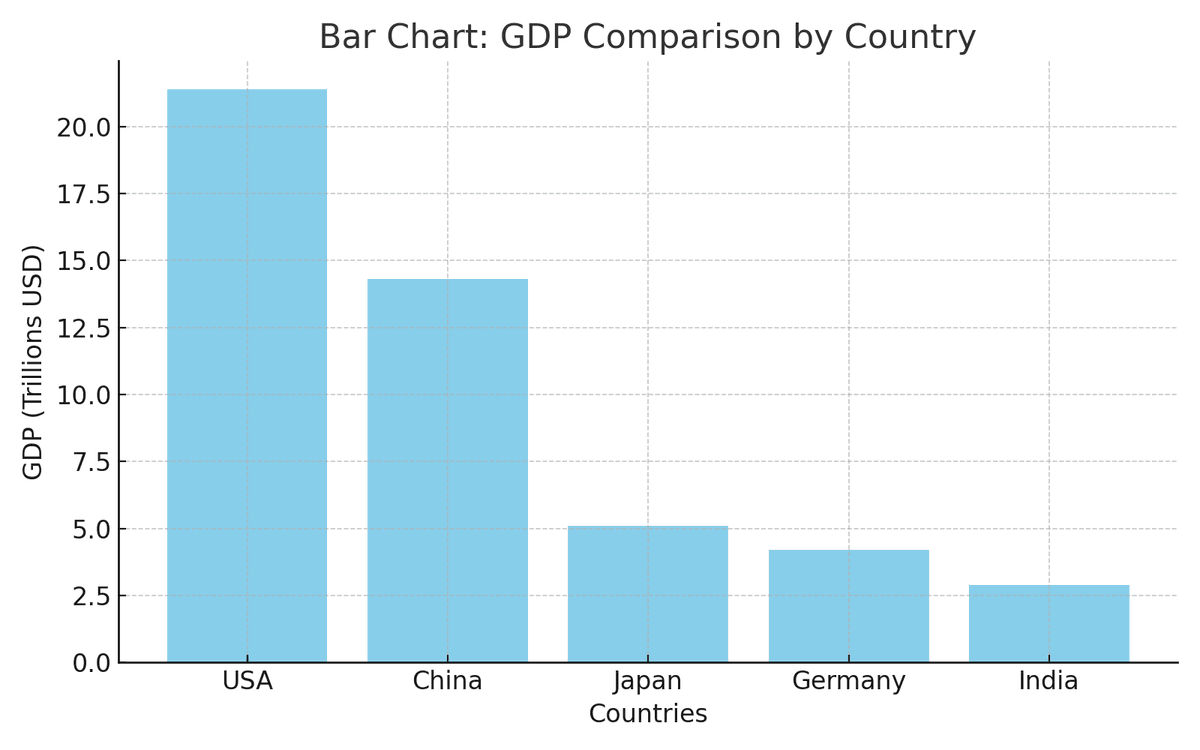
题目:The bar chart shows comparisons of data across different categories or time periods, such as national GDP or consumer habits analysis.
开头段写法
改写题目
The bar chart compares data across different categories, such as national GDP or consumer habits, over a specific time period.
概述主要特征
Overall, the chart reveals noticeable variations among the categories, with some showing significant growth while others remained relatively stable.
小结
在撰写柱状图的开头段时:
- 改写题目:灵活运用同义词与重组句型,保持语句流畅。
- 总述趋势:指出最明显的变化、增长或稳定情况,避免写入细节数字。
- 使用学术词汇:描述比较的增长、下降与稳定,搭配副词增强表达力。
这样的写作重点能确保您的开头段符合雅思 Task 1 的标准,展现专业水准并奠定高分基础!
3. 题目与饼图标范(Pie Chart)
写作重点
- 改写题目
- 目标:使用同义词替换并重新组织句子,避免直接抄写题目。
- 技巧:
- Show → Illustrate, Present, Compare
- Proportional distribution → Breakdown, Allocation, Share
- Categories → Sections, Segments, Divisions
- 范例:
“The pie charts present a breakdown of budget allocation across six key categories, including housing, food, and healthcare.”
- 识别主要特征常用句型:
- 重点强调:
- 最大的比实例目(如 Housing)。
- 明显的差异或变化(如 Food 和 Healthcare 比例不同)。
- 不要细节数字,仅描述总体趋势。
- “Overall, [主要类别] accounted for the largest proportion, followed by [第二大类别].”
- “In contrast, [较小比例的类别] represented the smallest share of the distribution.”
- “Notable differences can be observed in [两个类别], where one category significantly outweighed the other.”
- 重点强调:
- 学术词汇与表达
- 比例表达词汇:
- 最大:accounted for the largest proportion/share, dominated the chart
- 次要:came second, followed by, represented a smaller portion
- 最小:constituted the smallest percentage, made up a minor share
- 连接词:
- In comparison, Similarly, In contrast, However
- 比例表达词汇:
- 清晰简洁
- 开头段应 简明扼要,写出 2-3 句即可。
- 关键:强调最大和最小的项目,凸显主要差异。
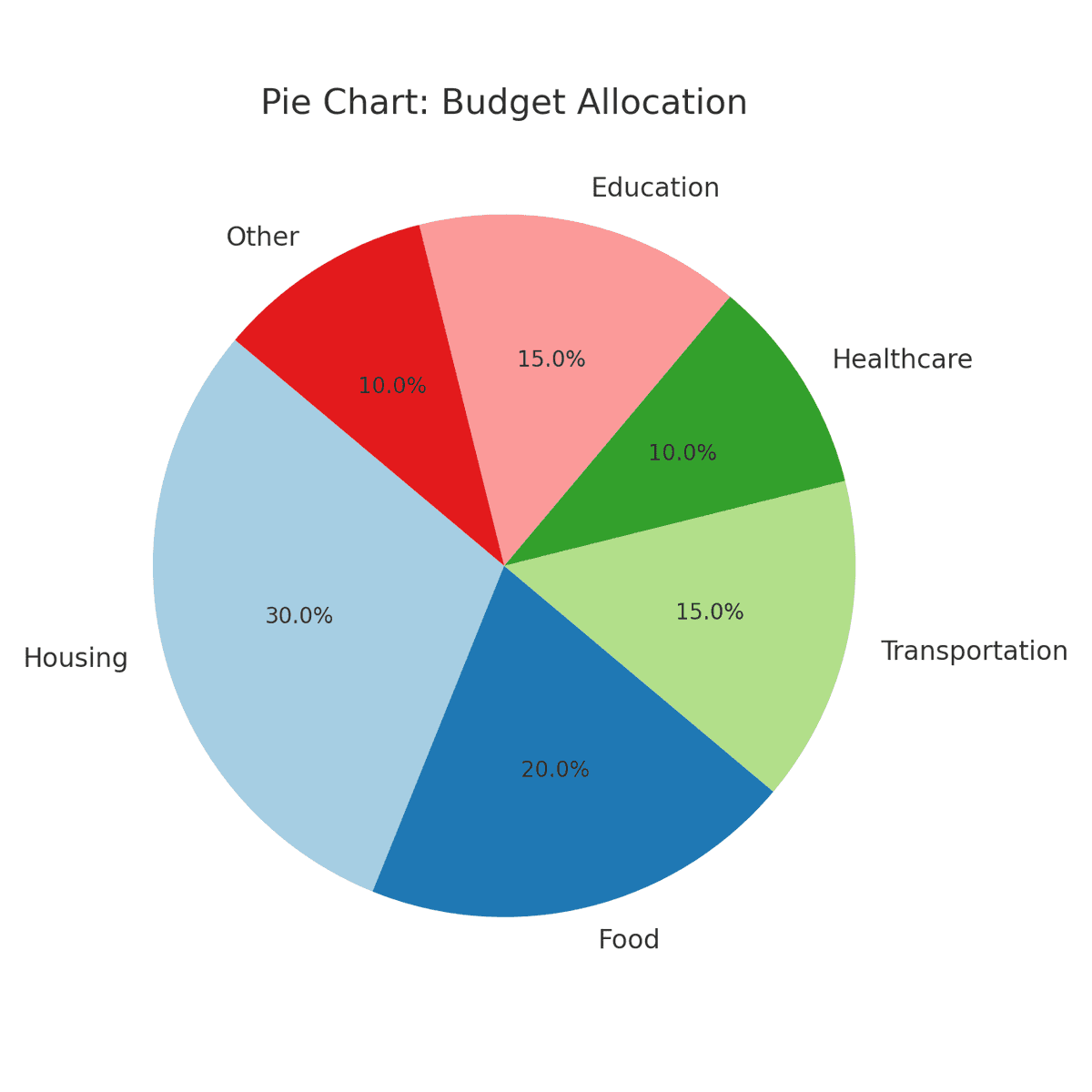
题目:The pie charts show the overall proportional distribution, such as budget allocation or market share.
开头段写法
改写题目
The pie charts illustrate the proportional distribution of expenditures across six categories, including housing, food, transportation, healthcare, education, and other expenses.
概述主要特征
Overall, housing accounted for the largest share of the budget, while other categories, such as food and healthcare, showed notable differences in their proportions.
写作重点
- 改写题目:换用同义词(如 proportions → distribution, allocation)来重新表述题目内容。
- 概述主要特征:强调最显著的项目(如最大或最小的比例),以及其他值得注意的变化或趋势。
4. 题目与流程图标范(Process Diagram)
写作重点
- 改写题目范例:
“The diagram illustrates the stages involved in creating a mobile application, beginning with initial planning and ending with post-launch maintenance.”- 目标:避免抄写原句,运用同义词和句型变化。
- 技巧:
- Process → Workflow, Stages, Steps
- Developing → Creating, Producing, Building
- Each step → Sequential steps, Key stages
- 概述主要特征关键句型:
- 强调 流程的起点 和 终点,明确描述整体过程的连贯性。
- 使用简洁语言指出「多个步骤」与「顺序关联」。
- “Overall, the process involves a series of interconnected steps, starting with [步骤 1] and concluding with [步骤 X].”
- “The workflow progresses logically from [起点] to [终点], covering stages such as [中间步骤].”
- 语言精准性
- 使用表示顺序的连接词:
- 起始:to begin with, initially, at the first stage
- 过程中:next, subsequently, following this, after that
- 结束:finally, at the last stage, concluding with
- 描述流程图用词:
- 需求分析:requirement gathering, analysis
- 设计阶段:designing, planning phase
- 开发阶段:development, coding
- 测试阶段:testing phase, quality assurance
- 发布维护:deployment, launch, updates
- 使用表示顺序的连接词:
- 逻辑连贯与简洁表述
- 描述过程时,确保各阶段之间逻辑顺畅。
- 开头段应简明扼要,仅提及起点和终点以及过程的连续性。
题目:The diagram shows the process of mobile app development, illustrating each step involved in the workflow.
图表位置:放置 流程图,展示制作流程的步骤。
开头段写法
改写题目
The diagram illustrates the workflow involved in mobile app development, outlining the key stages from requirement analysis to the final deployment and maintenance phase.
概述主要特征
Overall, the development process comprises several sequential steps, beginning with requirement analysis, followed by design, coding, and testing, and concluding with the app’s launch and subsequent updates.
流程图标范内容(步骤简述)
- 需求分析(Requirement Analysis):确认客户需求与功能规划。
- UI/UX 设计(Design Phase):设计用户接口与体验。
- 程序开发(Coding/Development):实际撰写应用程序代码。
- 测试(Testing):进行功能测试和错误修正。
- 部署发布(Deployment):将应用程序上架至平台。
- 维护与更新(Maintenance and Updates):持续优化应用并更新功能。
写作重点总结
- 改写题目:灵活使用同义词与重组句式,避免抄题。
- 概述主要特征:强调流程的起点、终点及步骤顺序。
- 使用专业词汇:表述每个阶段的具体任务,提升语言精准度。
- 逻辑清晰:保持描述流畅,使用顺序连接词增强连贯性。
通过这些写作重点,您能清楚地撰写出符合雅思 Task 1 流程图 要求的开头段,逻辑清晰且语言专业,为高分奠定基础!
二、Task 1:一般训练组(General Training)书信写作模板
2.1 开头段:写信目的
在 Task 1 的一般训练组写作中,开头段需 清楚说明写信目的。正式信和非正式信在语气和用词上有所不同,需根据题目情境选择合适的语气。
正式信(Formal Letter)
使用情境:写给不熟悉的人,如:公司、机构、官方或上司。
语气:正式且礼貌,避免使用口语化词汇。
模板句型:
- “Dear Sir/Madam, I am writing to [明确写信的目的].”
- “I am writing this letter to [解释写信的原因].”
- “I would like to express my [concern/interest/request] regarding [具体内容].”
范例:
Dear Sir/Madam,
I am writing to request further information about the upcoming training program offered by your organization.
非正式信(Informal Letter)
使用情境:写给熟悉的人,如:朋友、家人或同事。
语气:较轻松,使用口语化词汇,但仍需保持清晰和得体。
模板句型:
- “Dear [Name], I hope this letter finds you well.”
- “I’m writing to let you know [写信的目的/原因].”
- “I just wanted to tell you about [事情的内容].”
范例:
Dear John,
I hope you’re doing well! I’m writing to let you know that I’ll be visiting your city next month, and I’d love to catch up with you.
写作重点
- 语气适合情境:
- 正式信:语句完整、用词专业、语气客观。
- 非正式信:语句较轻松自然、口语化,语气亲切。
- 开门见山:
- 在第一句就清楚说明写信的目的,避免含糊不清或拖泥带水。
- 根据题目需求提供细节:
- 例如询问信息、提出请求、道歉或邀请,确保开头与主体段逻辑连贯。
小结
在 General Training Task 1 的书信写作中,开头段是整封信的基础。
- 正式信:保持专业且直接,清晰说明目的。
- 非正式信:语气轻松友好,但仍要表达明确的写信理由。
通过这样的模板和技巧,您能在开头段迅速抓住考官的注意力,展现出适当的语气和清晰的表达能力,为 Task 1 打下良好的基础!
2.2 主体段:提供具体细节
重点:
在主体段中,根据题目要求提供详细内容和解释,确保逻辑清晰且连贯,避免内容模糊或重复。
写作原则
- 清晰的段落结构:每段集中讨论一个重点,并以「主题句」开头。
- 提供细节与例证:具体说明内容,并辅以例子或细节来增强说服力。
- 使用连接词:保持句与句、段与段之间的逻辑连贯性。
正式信范例(General Training Task 1)
题目:You recently ordered a product online, but it was delivered with some issues. Write a letter to the company to explain the problem and request a solution.
主体段范例:
- 第一段:描述问题
- “Firstly, I would like to inform you that the product I received was not in good condition. Specifically, the packaging was damaged, and the item itself had a visible scratch on the surface.”
- 第二段:提供细节与解释
- “In addition, the product does not function as expected. When I attempted to use it, the device failed to start properly, which was quite disappointing considering its price and your company’s reputation.”
- 连接词示范:
- Firstly, Secondly, In addition, Moreover, Furthermore:表达递进。
- As a result, Therefore, Consequently:说明结果。
非正式信范例(General Training Task 1)
题目:Write a letter to your friend to invite them to your housewarming party.
主体段范例:
- 第一段:邀请原因
- “First of all, I’m so excited to tell you that I’ve just moved into my new apartment! It’s cozy, beautifully decorated, and I can’t wait for you to see it.”
- 第二段:提供活动细节
- “The party will be on Saturday evening, starting around 6 PM. There will be good food, drinks, and music, and I’ve invited a few of our close friends as well.”
- 连接词示范:
- First of all, Next, By the way, Also, Finally:增加叙述细节和连贯。
连接词与句型整理
表示顺序或递进
- Firstly, Secondly, Finally
- Moreover, Furthermore, In addition
表示因果关系
- As a result, Therefore, Consequently
补充或转折
- However, On the other hand, Nevertheless
- For example, For instance, To illustrate
小技巧
- 每段只聚焦于一个主题,避免话题分散。
- 善用 连接词 来加强段落之间的逻辑关系。
- 提供具体细节或例子,让内容更丰富且具说服力。
2.3 结尾段:总结并提出期望
重点:
在书信的结尾段,简要总结信件的重点内容,并清楚提出下一步的行动或期望。根据信件的语气(正式或非正式),选择适合的句型和结尾语句。
正式信结尾模板
1. 表达期望回复
- “I look forward to hearing from you at your earliest convenience.”
- “Please let me know if any further information is needed.”
- “I would appreciate your prompt response to resolve this matter.”
2. 表示感谢
- “Thank you for your time and consideration.”
- “I appreciate your attention to this matter.”
3. 结尾礼貌用语
- “Yours faithfully,”(当收件人姓名未知时)
- “Yours sincerely,”(当收件人姓名已知时)
正式信结尾范例
题目:Write a letter to a company regarding a faulty product and request a replacement.
结尾段写法:
“I would appreciate it if you could arrange for a replacement or a full refund at your earliest convenience. Thank you for addressing this issue promptly. I look forward to your response.”
结尾语:
“Yours faithfully,
John Smith”
非正式信结尾模板
1. 表达期待与邀请
- “Looking forward to hearing from you soon!”
- “Hope you can make it! Let me know what you think.”
2. 总结关切或目的
- “Take care, and I’ll see you soon.”
- “Let me know if you need any more details.”
3. 结尾用语
- “Best wishes,”
- “Warm regards,”
- “Cheers,”
非正式信结尾范例
题目:Invite your friend to a housewarming party.
结尾段写法:
“Let me know if you can make it, and feel free to bring anyone along. I’m sure it’s going to be a great night! Hope to see you soon.”
结尾语:
“Best wishes,
Emily”
结尾段写作小技巧
- 语气要符合信件类型:正式信需保持礼貌和专业,非正式信则可自然轻松。
- 重申写信目的:再次强调期望的回复或行动。
- 使用合适的结尾语:根据收件人选择恰当的结尾用语,提升整体信件的完成度。
3.1 开头段:引入题目并表明立场
写作重点:
Task 2 开头段的目标是清楚地引入题目背景,并明确表达个人立场或即将探讨的观点。开头段应该简洁,避免过多细节,字数控制在 40-50 字左右。
标准开头段结构
- 重述题目:用自己的话改写题目,避免直接抄写题目内容。
- 提供背景信息:简要引入相关背景,为主题提供适当的上下文。
- 明确表达立场:清楚表明个人观点(如同意、反对或中立)或简述即将探讨的方向。
常用模板句型
1. 引入背景与重述题目
- “In recent years, [重述题目背景].”
- “It is often argued that [改写题目主题].”
- “The issue of [题目主题] has become increasingly important in today’s society.”
2. 明确表达立场
- “I completely agree/disagree that [表达立场].”
- “This essay will discuss both sides of the argument and explain why I believe that [个人观点].”
- “While some people believe that [观点 A], I firmly hold the opinion that [观点 B].”
范例
范例 1:同意/反对类
题目:Some people believe that online education is more effective than traditional classroom teaching. Do you agree or disagree?
开头段:
“In recent years, the popularity of online education has grown significantly. While some argue that it is more effective than traditional classroom teaching, I completely disagree and believe that in-person education provides greater benefits.”
范例 2:利弊类
题目:The use of mobile phones in schools has both advantages and disadvantages. Discuss both views and give your opinion.
开头段:
“Nowadays, mobile phones have become an integral part of our lives, and their use in schools has sparked debate. This essay will discuss both the advantages and disadvantages of allowing mobile phones in schools and explain why a balanced approach is necessary.”
范例 3:问题解决类
题目:Many cities around the world face serious traffic congestion problems. What are the causes, and what solutions can be implemented?
开头段:
“Traffic congestion has become a pressing issue in many cities worldwide due to increasing urbanization. This essay will identify the main causes of traffic jams and propose practical solutions to address the problem.”
开头段写作小技巧
- 避免使用 I think, I believe 开头:可改用更专业的表达方式,例如 It is often argued that… 或 This essay will argue that…。
- 改写题目:使用同义词和句型变化来重述题目,展现语言灵活性。
- 清楚表达立场:考官需在开头段就能理解您的观点(特别是在同意/反对类题目中)。
通过以上模板和范例,您可以快速撰写清晰且有逻辑的 Task 2 开头段,为整篇文章打下良好的基础!
主体段:枚举观点与举例
主体段 1 的重点:
- 提出第一个观点:用一句话概括观点,作为该段的主题句(Topic Sentence)。
- 进一步解释:详细说明该观点的原因或逻辑。
- 使用具体例子或数据支持:通过具体的例子、统计数据或情境,增强说服力。
标准结构
- 主题句(Topic Sentence)
- 明确提出观点,让读者理解该段的重点。
- 范例句型:
- “One of the main reasons for [问题/主题] is that [观点].”
- “A significant factor contributing to this issue is [观点].”
- 进一步解释
- 解释为什么这个观点重要,提供逻辑支持。
- 范例句型:
- “This is because [解释原因].”
- “To elaborate, [进一步说明观点的逻辑].”
- 具体例子或数据支持
- 使用实际例子、统计数据或假设情境来支撑观点。
- 范例句型:
- “For example, [具体例子].”
- “A recent study showed that [数据或统计支持].”
- “Take [某人/某情况] as an example…”
- 总结句(可选)
- 简要回应观点或强化段落结论。
- 范例句型:
- “Therefore, it is evident that [重申观点/总结段落].”
范例
题目:Some people believe that working from home improves productivity. Do you agree or disagree?
主体段 1:提出第一个观点,并支持解释
主题句:
“One of the main reasons why working from home enhances productivity is that it reduces commuting time.”
进一步解释:
“This is because employees no longer have to spend hours in traffic or public transportation, allowing them to start their workday earlier and with greater energy.”
具体例子:
“For example, a survey conducted by Stanford University revealed that remote workers saved an average of two hours daily, which they could instead use for focused tasks or personal development.”
总结句(可选):
“Therefore, eliminating commuting time significantly improves efficiency and work-life balance, leading to higher productivity.”
题目:Some people believe that governments should invest more in public transportation. Discuss the advantages.
主体段 1:提出第一个观点,并支持解释
主题句:
“One major advantage of investing in public transportation is that it helps reduce environmental pollution.”
进一步解释:
“This is because efficient public transport systems encourage people to rely less on private cars, which emit large amounts of carbon dioxide and other pollutants.”
具体例子:
“For instance, in cities like Tokyo and London, where public transportation is highly developed, carbon emissions have significantly decreased due to fewer private vehicles on the road.”
总结句(可选):
“Thus, improving public transport infrastructure can play a key role in addressing environmental challenges.”
写作小技巧
- 主题句要明确:一开始就点出观点,让考官一目了然。
- 解释要逻辑清楚:让观点更具说服力。
- 具体例子要相关:使用真实数据、研究结果或假设情境来支持观点,避免空泛表达。
- 避免重复:保持句式和用词多样性,展现语言能力。
主体段 2:提出第二个观点,辅以具体例证
写作重点:
主体段 2 的目标是提出第二个观点,提供逻辑解释,并辅以具体例证来加强论点说服力,同时保持段落逻辑的连贯性。
标准结构
- 主题句(Topic Sentence)
- 提出第二个观点,打开新的段落。
- 范例句型:
- “Another significant reason is that [观点].”
- “In addition, [观点] also plays an important role in [主题].”
- “Furthermore, it can be argued that [观点].”
- 进一步解释
- 对第二个观点进行详细说明,提供逻辑支持。
- 范例句型:
- “This is because [解释原因].”
- “To illustrate, [进一步解释].”
- 具体例子或数据支持
- 使用真实或假设的例子来增强论点的可信度。
- 范例句型:
- “For instance, [具体例子].”
- “A study conducted by [研究机构/专家] showed that…”
- “Take [某情境] as an example…”
- 总结句(可选)
- 总结该段观点,并与整体论述链接。
- 范例句型:
- “Thus, it is evident that [重申观点].”
- “This clearly demonstrates the importance of [观点].”
范例
题目:Some people believe that working from home improves productivity. Do you agree or disagree?
主体段 2:提出第二个观点并辅以具体例证
主题句:
“Another reason why working from home increases productivity is that it provides a more comfortable and less stressful working environment.”
进一步解释:
“This is because employees can customize their workspace according to their preferences, which can reduce distractions and increase focus.”
具体例子:
“For example, a recent study by Harvard Business Review found that 70% of remote workers reported higher job satisfaction and efficiency due to fewer office interruptions and a quieter working space.”
总结句:
“Therefore, a comfortable environment at home allows employees to maintain a better work rhythm, ultimately boosting their productivity.”
题目:Some people believe that governments should invest more in public transportation. Discuss the advantages.
主体段 2:提出第二个观点并辅以具体例证
主题句:
“Another key benefit of improving public transportation is the reduction of traffic congestion in cities.”
进一步解释:
“When reliable and efficient public transit systems are available, more people choose buses or trains over private cars, which significantly reduces the number of vehicles on the road.”
具体例子:
“For instance, in Singapore, the government’s investment in a well-connected metro system has led to a 30% decrease in road traffic, making commuting faster and more efficient for everyone.”
总结句:
“This shows that investing in public transportation not only benefits individuals but also improves overall urban mobility.”
逻辑连贯性技巧
- 使用连接词增强段落逻辑:
- 递进:In addition, Furthermore, Moreover
- 结果:As a result, Therefore, Consequently
- 举例:For instance, For example, To illustrate
- 避免重复观点:
- 第二个观点应与第一个观点互补或提供不同角度的支撑,保持段落之间的多样性和逻辑。
- 呼应主题:
- 确保第二个观点与题目相关,并在段落末尾进一步强化论述。
主体段 3(可选):提出第三个观点或反面观点,并作出反驳
写作重点:
主体段 3 可选择:
- 提出第三个观点:补充前两段的观点,增加论述的深度与全面性。
- 讨论反面观点并作出反驳:
- 提出反对意见,并进一步阐述为何该观点不足或不全面。
- 通过反驳强化个人立场,使文章更具逻辑性和说服力。
标准结构
- 引出第三个观点或反面观点
- 明确提出与前述观点不同的意见,保持逻辑流畅。
- 范例句型:
- “Some people might argue that [反面观点].”
- “On the other hand, it is sometimes believed that [反面观点].”
- “While there is some merit to this perspective, I believe that [您的观点].”
- 进一步说明反面观点的逻辑
- 客观介绍反对观点的立场和原因。
- 范例句型:
- “It is often claimed that [反面观点] because [解释原因].”
- “For instance, [提供反面观点的例子或背景].”
- 作出反驳并强化个人观点
- 指出反面观点的不足之处,并提供解释或例子加以驳斥。
- 范例句型:
- “However, this argument overlooks the fact that [反驳内容].”
- “While this may be true to some extent, it fails to consider that [补充您的观点].”
- “In reality, [提供您的反驳理由或具体例证].”
- 结束句:强化个人立场
- 再次重申您的观点或立场,总结该段的论述。
- 范例句型:
- “Thus, it becomes clear that [重申个人观点].”
- “This demonstrates that [强化立场的结论].”
范例
题目:Some people believe that working from home improves productivity. Do you agree or disagree?
主体段 3:讨论反面观点并作出反驳
引出反面观点:
“On the other hand, some people argue that working from home can reduce productivity due to distractions at home, such as family responsibilities or household chores.”
进一步解释反面观点:
“This is because employees may struggle to separate their personal life from work when working remotely, leading to reduced focus on their tasks.”
反驳并强化个人观点:
“However, this argument overlooks the fact that remote workers can create dedicated home offices and establish a structured work schedule. For instance, many professionals have reported increased productivity after implementing time management techniques and creating boundaries with family members.”
结束句:
“Therefore, while distractions at home may exist, they can be effectively managed, making working from home a highly productive option for most people.”
题目:Some people think public transport should be free. To what extent do you agree or disagree?
主体段 3:提出反面观点并作出反驳
引出反面观点:
“Some critics argue that making public transport free would place an enormous financial burden on governments, leading to budget cuts in other crucial areas like education and healthcare.”
进一步解释反面观点:
“For example, implementing free transportation systems requires heavy subsidies, which could strain public funds, especially in developing countries.”
反驳并强化个人观点:
“While this concern is valid, the long-term benefits outweigh the costs. Free public transport can reduce traffic congestion, lower pollution levels, and increase economic productivity by improving mobility for workers. Countries like Luxembourg, where public transportation is free, have already demonstrated its feasibility and advantages.”
结束句:
“Thus, despite the initial financial concerns, the societal and environmental benefits of free public transport make it a worthwhile investment.”
逻辑连贯性技巧
- 使用连接词引出反面观点:
- On the other hand, However, Some people argue that
- 使用反驳连接词:
- However, Nevertheless, Despite this, In reality
- 重申个人观点以强化结论:
- Thus, Therefore, This demonstrates that…
3.3 结尾段:重申立场并总结观点
写作重点:
结尾段需简洁明了地 总结文章的主要观点,重申个人立场,并可提出 建议或对未来的展望,让文章具有结束感和说服力。
标准结构
- 重申个人立场
- 明确重述您在开头段提出的观点,保持一致性。
- 范例句型:
- “In conclusion, I firmly believe that [重申个人立场].”
- “To summarize, while some people may argue that [反面观点], I am convinced that [个人观点].”
- 总结文章主要观点
- 简要回顾您在主体段中提出的内核观点。
- 范例句型:
- “This essay has discussed that [观点 1] and [观点 2] are significant factors supporting [主题].”
- “As discussed, [观点 1] and [观点 2] clearly demonstrate that [总结结论].”
- 提出建议或展望未来(可选)
- 提供解决方案、建议或对未来的展望,让文章结束得更有深度。
- 范例句型:
- “It is recommended that [建议或解决方案].”
- “Looking ahead, it is crucial for [主题] to be addressed in order to [展望未来的结果].”
- “In the future, [提出对长远影响的看法或期望].”
范例
题目:Some people believe that working from home improves productivity. Do you agree or disagree?
结尾段写法:
“In conclusion, I strongly believe that working from home significantly enhances productivity. This is mainly because it eliminates commuting time and provides a more comfortable working environment. Looking ahead, companies should consider implementing flexible working arrangements to improve employee efficiency and work-life balance.”
题目:Some people think public transport should be free. To what extent do you agree or disagree?
结尾段写法:
“To summarize, while some argue that free public transport would be financially unsustainable, I believe its long-term benefits outweigh the costs. By reducing traffic congestion and improving air quality, free public transport can lead to more sustainable and livable cities. In the future, governments should prioritize such investments to address urban challenges.”
题目:Many cities face serious traffic congestion. What are the causes and solutions?
结尾段写法:
“In conclusion, traffic congestion is caused by factors such as the overuse of private vehicles and poor public transportation systems. However, solutions like improving public transport infrastructure and implementing carpooling initiatives can help alleviate this issue. It is essential for governments to act quickly to create smoother and more sustainable urban transport systems for the future.”
结尾段写作小技巧
- 保持简洁:控制在 2-3 句即可,避免引入新观点或过多细节。
- 语气坚定:重申立场时,使用有说服力的语句,例如 “I firmly believe”, “It is evident that…”.
- 可视化未来:提出建议或展望未来,让结尾段更具深度和启发性。
四、模板使用技巧与建议
在雅思写作中,模板能帮助您快速构建文章结构,提升写作效率,但灵活运用模板才是取得高分的关键。以下是几个实用技巧,帮助您有效使用写作模板:
4.1 灵活套用模板
- 根据题目调整内容:
- 每个题目都有不同的要求,切勿直接套用模板句子。
- 根据具体题目,修改模板中的句式与词汇,确保内容准确且相关。
- 避免生硬套用:
- 生硬的模板会降低文章的自然流畅性,给考官留下负面印象。
- 提升灵活性:改变句型、词汇或增加细节,让模板更符合您的表达。
- 示例:
- 原始模板:“One of the main reasons is that [观点].”
- 灵活改写:“A significant contributing factor to this issue is [观点].”
4.2 丰富语言表达
- 使用学术词汇:
- 基础词汇替换学术词汇,使文章表达更正式、更具深度。
- 示例:
- Important → Significant, Crucial
- Problem → Issue, Challenge
- Increase → Rise, Surge, Climb
- 运用同义词替换:
- 避免重复使用相同的词汇,增加语言多样性。
- 示例:
- “The graph shows an increase…” → “The graph illustrates a steady rise…”
- 使用连接词增强逻辑:
- 保持句子间、段落间的逻辑连贯。
- 常用连接词:
- 表示递进:Furthermore, Moreover, In addition
- 表示对比:However, On the other hand, Nevertheless
- 表示结果:As a result, Therefore, Consequently
- 举例说明:For example, For instance, To illustrate
4.3 结合真题练习
- 反复练习模板:
- 使用剑桥 IELTS 真题系列,根据不同题型练习套用模板,确保灵活运用。
- 每天定时完成一篇 Task 1 或 Task 2 练习,将模板熟记于心。
- 时间管理练习:
- Task 1(20 分钟):模板帮助快速起草文章,节省时间描述细节。
- Task 2(40 分钟):使用模板快速完成开头段和结尾段,将时间重点放在主体段的论证与例子。
- 范文对比分析:
- 写作后,对比高分范文,检查模板使用是否自然,找出改进空间。
实用小技巧
- 先熟悉模板结构:了解开头段、主体段和结尾段的标准写作框架。
- 积累高分词汇与句型:提前准备替换词汇,避免重复表达。
- 适度个性化表达:结合个人观点与例子,使模板更具个人特色。
总结
灵活运用模板可以有效提升写作效率,但切记根据题目进行调整,避免机械化套用。同时,通过丰富语言表达、使用同义词替换,以及结合真题练习,您将能够写出内容丰富、逻辑清晰且语言多样的高分雅思作文!

