

Thinking of moving to Australia but not sure how much a month will cost? "Is Melbourne expensive to live in?" is one of the questions we hear most from people preparing for a Working Holiday, study abroad, or remote work. As someone who has lived in Melbourne for two years, I'll share my actual monthly expenses in this article — from rent and food to transport and entertainment. It's not just numbers: you'll also get practical advice and money-saving tips so you can avoid the pitfalls, stay on budget, and get your finances ready before you leave!
Introduction
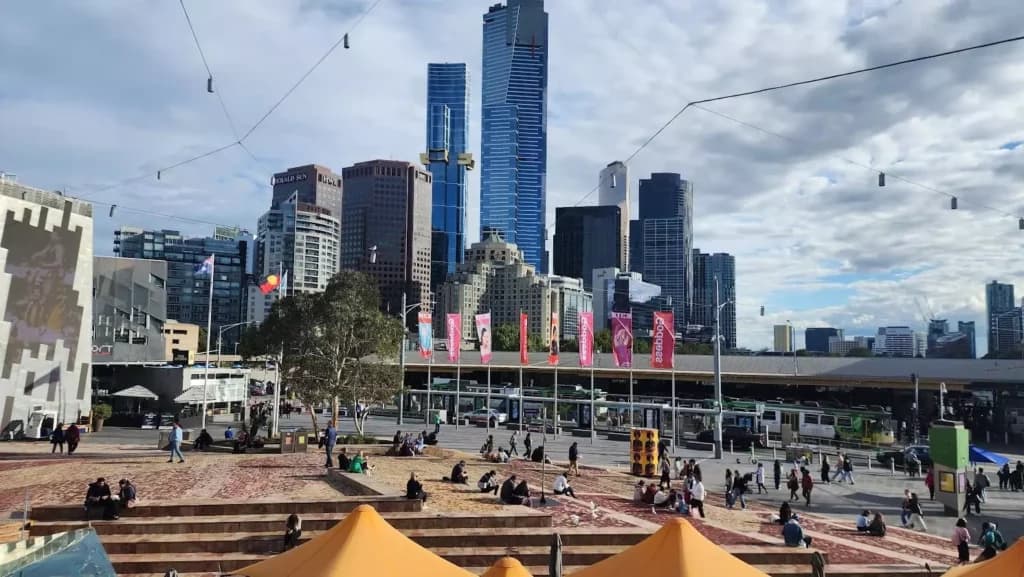
A must-read before moving to Australia or starting a Working Holiday! A complete guide to single living costs and rental prices in Melbourne — from food, clothing, housing, and transport to money-saving tips — to help you budget every Australian dollar precisely!
Thinking of moving to Australia but not sure how much a month will cost? "Is Melbourne expensive to live in?" is one of the questions we hear most from people preparing for a Working Holiday, study abroad, or remote work. As someone who has lived in Melbourne for two years, I'll share my actual monthly expenses in this article — from rent and food to transport and entertainment.
It's not just numbers: you'll also get practical advice and money-saving tips so you can avoid the pitfalls, stay on budget, and get your finances ready before you leave!
How Much Money Do You Need to Move to Melbourne? A Breakdown of Real Living Costs
If you're planning a Working Holiday or study in Melbourne, the first question is: "How much should I budget each month for living costs?" Based on two years of actually living there, here's a breakdown of living expenses mainly for single people to help you plan your budget and stop worrying about costs:
| Expense Category | Average Spending (AUD / month) | Notes |
|---|---|---|
| Rent | $1,400 | Furnished two-bedroom, one-bathroom unit outside the CBD, but within a 15-minute walk |
| Groceries | $350 | Includes supermarket shopping, fresh produce, and daily necessities |
| Eating out | $180 | Eating out or café catch-ups 2~3 times a week |
| Utilities & internet | $160 | Average combined electricity, water, gas, and home internet |
| Transport | $70 | A mix of trains, buses, and the Myki card, plus walking to save money |
| Sports & entertainment | $200 | Includes volleyball, the gym, and social spending |
💡 Total monthly living costs: about 2,300 ~ 2,600 AUD
This budget excludes language school tuition, insurance, and other extra costs. It's a reference for most working holiday makers and international students living alone.
Why Is Rent the Biggest Expense? How to Find a Good-Value Place
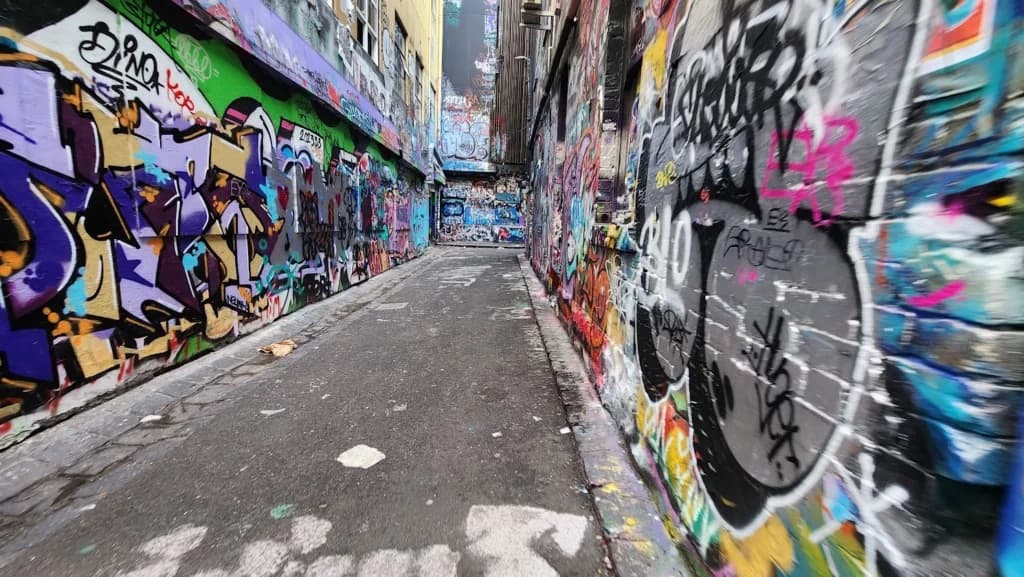
In Melbourne, rent is the heaviest part of your living costs, typically taking up about half of your monthly budget. A studio or one-bedroom in the CBD averages $450~$600AUD per week, and even a shared two-bedroom place near (but not in) the city center can easily cost over $1,300AUD/month.
Because rent in Australia is usually charged weekly and doesn't include utilities, many newcomers underestimate the total cost. On top of that, the rental market is highly competitive — in popular areas, 30~50 people may turn up to the same inspection.
So how can you find a place that's both affordable and stable? Here are a few practical tips:
- ✅ Prepare your rental documents early (e.g. passport copy, proof of bank funds, proof of study or employment) to improve your chances of approval
- ✅ Sharing is cheaper than renting alone: for two people sharing a two-bedroom, one-bathroom place, the average rent is about $650~$800 per person per month
- ✅ Don't limit yourself to the CBD: consider areas within a 15–20 minute walk of the city, where rent drops noticeably
- ✅ Use local Australian rental platforms such as Flatmates or Facebook groups to find short-term rentals, sublets, or well-priced listings
These Australian rental tips will help you keep rent under control, leaving more for everything else and letting you start your Working Holiday or new life with more freedom.
How to Control Food and Transport Costs
Melbourne money-saving tips, ways to save on transport in Australia
📎 Recommended internal link: Working Holiday English role-play course
If you want a more flexible budget, how often you eat out and how you commute are the two easiest expenses to adjust. Here are some practical ways to save:
🍴 How to Save on Eating Out
- Eating out typically costs about $18~$25 per meal; we recommend mostly cooking at home and eating out occasionally
- At some Chinese restaurants and casual eateries, you can order a large portion and take half home for a second meal
- If you love coffee, choose batch brew (single-origin pour-over) or collect perks with a loyalty card
🚋 How to Save on Transport
- The city center has a Free Tram Zone, so commuters can walk into the city and then hop on a tram
- Topping up a Myki card is cheaper than buying single tickets, and take advantage of off-peak train times
- If you live near the CBD, walking and cycling are the cheapest and healthiest ways to commute
💡 With good control, monthly food and transport costs can stay under $250, leaving more room for savings.
For a full working holiday budget and job information, see our Complete Guide to a Working Holiday in Australia.
Practical Ways to Cut Living Costs | Yes, Working Holiday Makers Can Save Too
Small everyday choices can significantly cut your living costs in Melbourne. Whether you're on a Working Holiday or studying abroad, a few money-saving habits will help you keep your budget under control without sacrificing quality of life — and maybe even save up each month for travel or tuition.
📎 Recommended tool: 👉 Send money easily with Wise and save on high transfer fees!
Where Can You Buy Household Essentials for Less?
Location is key to saving on household goods and groceries. In Melbourne, many locals and working holiday makers head to these three great-value retailers:
- Kmart, BigW, Aldi: These three chains are lifesavers for working holiday makers. From pots and pans, clothes, and basic furniture to food and groceries, prices are much friendlier than at mainstream supermarkets.
- Local markets and farm-to-table apps: When buying fruit and vegetables, try visiting community markets or using local farm-direct apps (such as CERES Fair Food). The produce is fresher, and you'll often find great deals.
💡 Tip: Kmart and BigW often have limited-time discount sections — keep an eye on the clearance racks and end-of-season sales.
Eating Smart Can Save You Money Too
Melbourne may be famous as a "coffee and food capital," but if you eat smart, you can still keep your wallet in check.
- Big portions — one meal makes two: Most local restaurants don't offer lunch specials, and a meal averages $18~$25, but portions are often big enough for two meals. Ask to take leftovers home and save yourself a meal.
- Coffee lovers, try Batch Brew: If you need a cup every day, Batch Brew (single-origin filtered black coffee) is great value at around $4~$5 a cup on average — cheaper than a latte, and a chance to taste different flavors.
⚡ Quick tip: Many independent cafés offer loyalty cards with a free 5th or 10th coffee — it really adds up over time.
Useful tools for after you arrive are listed in Essential Apps for Life in Australia.
Final Thoughts | Controlling Spending Isn't About Being Stingy — It's About Having More Options
Living in Australia isn't about who spends the least — it's about spending just right. Budgeting doesn't mean giving up on enjoyment; it gives you more freedom of choice in a new country. Whether you're coming to Melbourne for a Working Holiday, a degree, or remote living, understanding the structure of living costs and money-management skills is the first step to settling in and going further.
If you're still worried that "my English isn't good enough" or "I have no idea how to plan my budget," we've already prepared your next step 👇
📣 Recommended Free Resources
🎯 Working Holiday English Prep Course ➝
📘 Everyday English Role-Play | Book a Free Trial Lesson Now ➝
Further reading: Your First Week in Australia: A Landing Checklist
FAQ | The 3 Most Common Questions from Working Holiday Newcomers
Q1: Is Melbourne cheaper to live in than Sydney?
A: Overall, rent in Melbourne is usually slightly lower than in Sydney, especially outside the CBD, where you can find relatively affordable places. However, everyday costs (eating out, transport, groceries) are similar in both cities, so you still need to budget carefully.
Q2: Can I live on part-time work income alone?
A: Yes — as long as you have steady shifts and keep your spending in check. Basic monthly expenses are around AUD $2,300~$2,600, which you can generally cover with part-time work. Some students even manage to save up for travel or further study; the key is controlling spending and making good use of discounts.
Q3: How much should I budget for a Working Holiday in Australia?
A: We strongly recommend preparing an emergency fund of at least AUD $5,000 to cover your initial rental bond, living costs, and unexpected expenses. This money gives you more flexibility and security when you first arrive in Australia, so you won't feel pressured into taking an unsuitable job.
If you have more questions about Working Holidays, join our LINE channel or book a free consultation — we'd love to help you get ready for your journey!
👉 Add Our Official WhatsApp

Want to turn this into an action plan that fits you?
Start with a free trial lesson to pin down your level and next steps.
Free Consultation →Ask us about working holiday prep, English lessons, or job referrals in Australia

