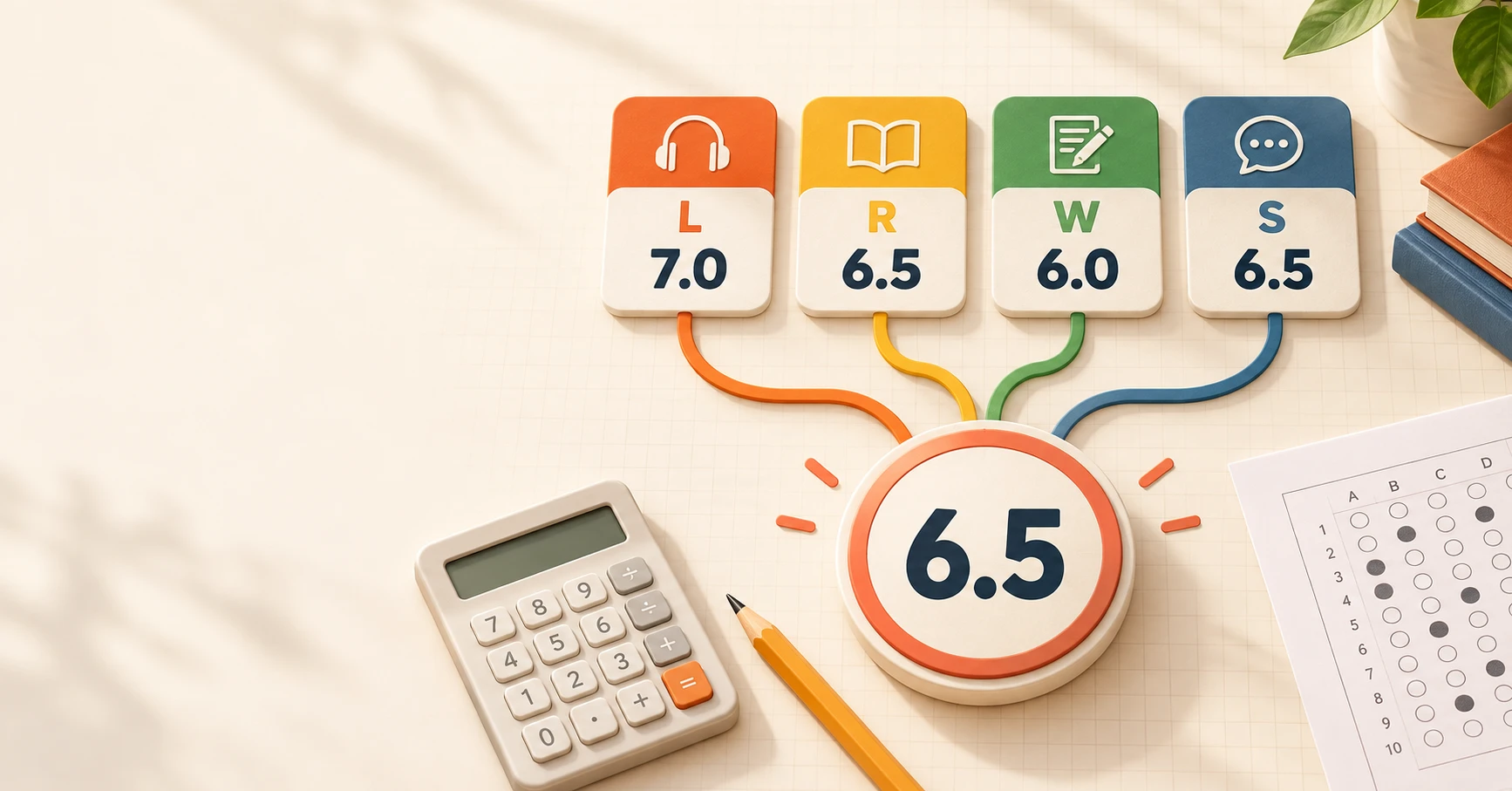

An overview of the TOEFL iBT's Reading, Listening, Speaking and Writing sections, how TOEFL compares with TOEIC, and strategies, high-score tips and FAQs for your preparation.
Introduction
Introduction
In today's globalized world, the importance of English goes without saying. To improve their English, many people take English proficiency tests, and the TOEFL is one of the best known. The TOEFL assesses test takers' overall English skills in reading, listening, speaking and writing, and it is widely recognized around the world. But how can you prepare for the TOEFL effectively and reach your target score?
In this article, we’ll first give a detailed introduction to the TOEFL iBT so you understand its format and content. Next, we’ll compare the TOEFL iBT with other international English certifications such as the TOEIC. We’ll then share practical TOEFL preparation strategies, including building a study plan, mastering key techniques, and taking practice tests effectively. Finally, we’ll share some success stories of test takers who reached high scores and analyze the study strategies and preparation methods behind them.
We hope this article helps you as you prepare for the TOEFL and makes reaching your target score feel easy. Now, let's begin our journey of discovery together!
Introduction to the TOEFL (TOEFL iBT)
TOEFL iBT is an internet-based English test run by ETS and widely accepted by universities and academic institutions. From January 2026 the TOEFL iBT changed: the task types were updated, Reading and Listening adapt to how you perform, and scores are now reported on a 1–6 scale.
| Section | Task types | Questions (approx.) | Time (approx.) |
|---|---|---|---|
| Reading | Complete the Words, Read in Daily Life, Read an Academic Passage | 50 | 30 min |
| Listening | Listen and Choose a Response, Listen to a Conversation, Listen to an Announcement, Listen to an Academic Talk | 47 | 29 min |
| Writing | Build a Sentence, Write an Email, Write for an Academic Discussion | 12 | 23 min |
| Speaking | Listen and Repeat, Take an Interview | 11 | 8 min |
Scoring: each of the four sections gets a score from 1 to 6 (in half-point steps), and the overall score is the average of the four. For a two-year transition period after January 2026, score reports also show a comparable 0–120 total; always check the score requirements published by the schools you are applying to.
Note: because the test adapts, the number of questions and the timing may vary slightly; ETS recommends allowing about two hours (not counting directions). Before registering, check the latest information on the ETS website.
How the TOEFL Compares with Other International English Certificates (TOEIC Preparation, International English Certificates)
The TOEFL iBT and the TOEIC are the two most common English proficiency tests. They have some things in common, but their purposes and content differ. The TOEFL iBT mainly assesses how well non-native speakers can use English in an academic setting, covering reading, writing, listening and speaking, with a particular emphasis on academic language. The TOEIC, on the other hand, mainly assesses English ability in an international business environment, focusing on listening and reading comprehension, with a separate speaking and writing test.
The TOEFL iBT includes reading academic passages, a listening section with academic lectures and everyday conversations, and speaking and writing sections that require test takers to integrate a range of English skills. By contrast, the reading and listening sections of the TOEIC focus on everyday workplace situations and use a multiple-choice format, so they test reading and listening comprehension more directly.
Besides TOEFL iBT and TOEIC, there are other international English certificates, such as IELTS (International English Language Testing System) and CPE (Cambridge English: Proficiency). Their content and structure differ from TOEFL iBT. For example, IELTS comes in two versions, Academic and General Training: Academic is for university study and professional registration, while General Training is mostly used for migration and work. CPE is the highest level of the Cambridge English qualifications, more demanding than TOEFL iBT and requiring a very high level of English.
All in all, the TOEFL iBT, TOEIC, IELTS and CPE each have their own features and purposes. Which one to choose depends mainly on your goal — applying to a school abroad, finding a job, or simply improving your English. Choosing the certificate that best fits your needs and preparing for its specific features and requirements will benefit both your English learning and your future opportunities.
For TOEIC content, see TOEIC Explained: Test Content and Preparation Tips; for IELTS, see the Complete IELTS Guide.
TOEFL Preparation Strategies
To prepare effectively for the TOEFL, the first step is to set a clear study plan. It keeps you motivated and lets you work on each skill in a targeted way. Your study plan should include the skill areas you need to improve — such as listening, reading, speaking or writing — along with the study time and progress goals for each. A good study plan keeps your learning organized and helps you reach your goals efficiently.
The TOEFL doesn't just test your language skills — it also tests your test-taking skills. That's why mastering a few key strategies is so important. For example, understanding the test structure and having a strategy for each question type can save you time and energy on test day. For the reading section, learning to skim and find the main idea will help you understand passages quickly. For the speaking section, practicing how to manage your preparation time and organize your ideas is essential.
Practice tests are an essential part of TOEFL preparation. They help you identify your weak points and practice in a targeted way. They also get you used to the pace and pressure of the exam, so you can perform better on test day. When you take a practice test, try to recreate real exam conditions, and afterward reflect on your performance and adjust your approach.
By setting a clear study plan, mastering test-taking skills and taking practice tests, you will have a much better chance of doing well on the TOEFL. Remember, preparing for the TOEFL is an ongoing process, not something that happens overnight. Only through consistent, systematic study can you truly improve your English and succeed on the test.
TOEFL Practice Test Resources
If you'd like a teacher to plan practice for each section, see our English Exam Preparation Courses.
How to Reach Your Target Score
Reaching a high TOEFL score isn’t easy: it takes clear goals, sound study strategies, and persistent practice. Below, we share several cases of test takers who reached their target scores, along with the study strategies and preparation methods behind their success.
One successful test taker, Anna, began preparing three months before the exam and set a plan to study four hours a day. She spent part of those four hours learning new vocabulary and grammar, and the rest working through practice questions and reviewing her answers. Along the way, she also used practice tests from Magoosh and ETS to track her progress. After three months of persistent study, she earned a high score on the TOEFL iBT.
Another test taker, Bob, focused on real-world use of English while preparing for the TOEFL. Bob spent time every day watching English videos and reading English articles to improve listening and reading skills, and also chatted with friends from abroad and practiced conversation with native English speakers on a language-learning platform to strengthen speaking and writing. In Bob's view, this authentic language environment made a huge difference. After a few months of study, Bob also achieved the TOEFL score they were aiming for.
These two cases show that the key to reaching a high TOEFL score is a sensible study plan and consistent practice. Whether you learn on an online platform or practice in real-world situations, both can effectively improve your English. Only through steady, continuous effort can we reach our target score on the TOEFL.
Conclusion
In this comprehensive TOEFL preparation guide, we have taken an in-depth look at the structure and content of the TOEFL and compared it with other international English certificates. We have also introduced practical TOEFL preparation strategies and shared how to use them to improve your English and achieve a high score on the test.
We hope you have found valuable advice and guidance in this article. Whether you are taking the TOEFL for the first time or are an experienced test taker looking to raise your score, these strategies and resources can help. Remember, what matters most in test preparation is continuous learning and practice, and bringing together the knowledge and skills you have gained. Let's head down the road to success with a positive attitude and firm determination. We wish you the best on the TOEFL and hope you reach your goals!
Frequently Asked Questions
Q&A
Question 1: How is the new TOEFL iBT different from the old TOEFL?
Answer: compared with earlier versions, the TOEFL iBT from January 2026 differs in three main ways: all task types were updated (for example, Reading adds Complete the Words, and Speaking now uses Listen and Repeat and Take an Interview); Reading and Listening adapt to your performance; and scores are reported on a 1–6 scale, with a comparable 0–120 score shown during a two-year transition period.
Question 2: Which is harder, the TOEFL iBT or the TOEIC? Which test should I choose?
Answer: Whether the TOEFL iBT or the TOEIC is harder depends on your English level and your goals. If you want to use English in an academic setting, the TOEFL iBT may be the better choice, as it places more emphasis on speaking and writing. If you mainly use English in business or at work, the TOEIC may suit you better.
Question 3: How should I prepare for the TOEFL to get a high score?
Answer: First, create a realistic study plan and stick to it. Second, get to know the structure and requirements of the TOEFL, understand the features and challenges of each section, and plan accordingly. Finally, use the resources we recommend for practice and mock tests to sharpen your test-taking skills and time management.

Want to turn this into an action plan that fits you?
Start with a free trial lesson to pin down your level and next steps.
Book a Free Level Test →20-minute online one-on-one · A real teacher assesses your level and gives advice